How to Prevent Frozen Pipes: Winter Plumbing Tips for Homeowners
When winter barrels in, frozen pipes can turn a cozy evening into a soaked, stressful mess. No one wants to wake up to the sound of water gushing from a cracked pipe or face the steep cost of emergency plumbing repairs. At Miller Legacy Plumbing, we know firsthand how quickly a frozen pipe can disrupt your life—and how avoidable most disasters are with the right preparation.
It doesn’t matter if you’re in a snow-packed northern state or somewhere with the rare cold snap; frozen pipes can strike almost anywhere. Let’s break down what causes this all-too-common problem and what you can do to keep your pipes—and your peace of mind—intact all winter long.
Why Pipes Freeze ❄️
Pipes freeze when water inside them drops below 32°F (0°C). Water expands as it turns to ice, building up pressure that can split even the toughest copper or PEX. Imagine a soda can left in the freezer too long—it’s a mess waiting to happen. According to the Insurance Institute for Business & Home Safety, a burst pipe can cause more than $5,000 in water damage on average.
Several factors make pipes vulnerable:
- Sudden temperature drops
- Poor insulation
- Exposed pipe runs (think basements, crawl spaces, exterior walls)
- Homes left unheated while the owners are away
Even newer homes aren’t immune. Modern construction sometimes tucks pipes into places that seem sheltered but aren’t insulated well enough for extreme cold.
At-Risk Areas in the Home
Some spots are notorious trouble zones for frozen pipes. Keep an eye on these areas as temperatures drop:
- Basements and crawl spaces: These areas are often unheated and drafty.
- Exterior walls: Pipes here are closest to the freezing outdoor air, especially if the wall lacks insulation.
- Attics and garages: Out-of-the-way and easy to overlook.
- Under kitchen and bathroom sinks: Cabinet doors trap cold air around pipes.
- Utility rooms: Water heaters and washing machine hookups sometimes lack adequate warmth.
Think of these spaces as the “frost pockets” of your home—cold air settles in, and trouble isn’t far behind.
How to Insulate and Protect Pipes 🛡️
A little prep goes a long way. Here’s how to keep cold at bay:
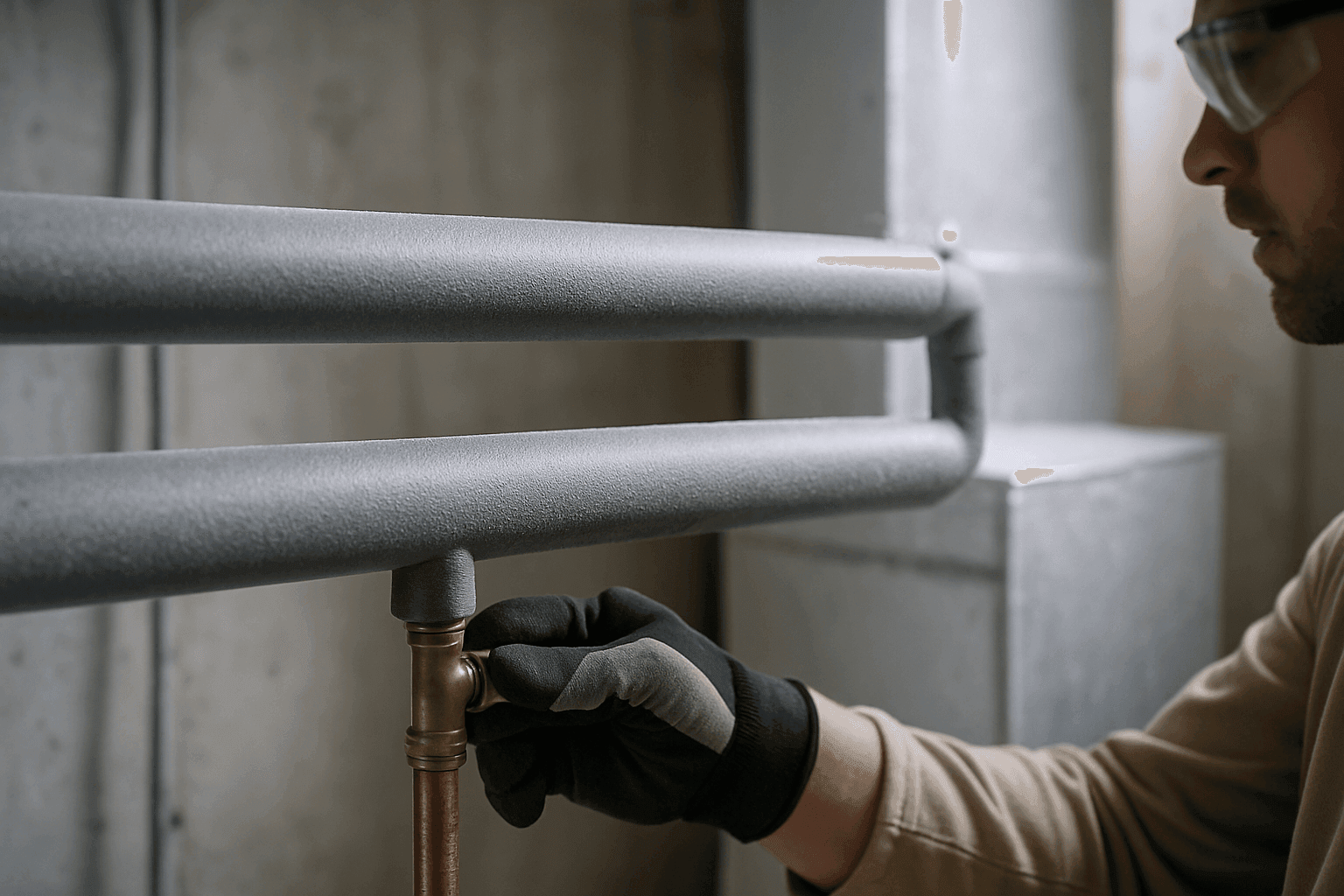
- Foam pipe insulation: Available at any hardware store. Wraps around pipes like a warm jacket.
- Rubber or fiberglass sleeves: Adds extra protection, especially for exterior walls.
- Heat tape: Electric tape that wraps around pipes and gently warms them—great for problem spots. Be sure it’s UL-listed and installed per manufacturer instructions.
- Seal gaps: Use expanding foam or caulk to plug holes where pipes enter walls, floors, or ceilings. Even a tiny draft can freeze a pipe.
- Open cabinet doors: Let warm air from your home circulate around pipes under sinks, especially on the coldest nights.
- Let faucets drip: A pencil-thin trickle keeps water moving, which makes freezing less likely.
Materials matter. Copper pipes freeze faster than PEX or CPVC, but all are at risk if left unprotected. Insulation thickness should meet or exceed local code—often at least 1/2 inch, sometimes more in northern regions (see International Residential Code guidelines).
Signs of Frozen Pipes:
- Water flow slows to a trickle or stops
- Frost on the outside of pipes
- Unusual odors from faucets or drains (ice blocks can trap sewer gases)
- Bulging or cracked pipes (call for emergency plumbing right away)
What to Do if Pipes Freeze
If you suspect a frozen pipe, don’t panic. Act fast and smart:
- Shut off the main water valve. This keeps damage in check if a pipe cracks.
- Open faucets. This relieves built-up pressure and lets thawed water escape.
- Gently warm the pipe:
- Use a hair dryer, starting at the faucet end.
- Hot towels or a portable heater can help.
- Never use an open flame—too risky.
- Check for leaks. If you see water gushing or damp spots, call for emergency plumbing help immediately.
DIY thawing is for accessible pipes only. If you’re unsure or can’t reach the freeze, it’s safest to call a licensed professional.
Long-Term Winterization
Preventing frozen pipes isn’t just a one-time chore. It’s a habit that pays off year after year.
- Upgrade insulation: Consider blown-in insulation for attics, basements, or crawl spaces.
- Schedule regular Sewer Line Inspection near you: Frozen pipes can indicate deeper issues—don’t let unseen problems fester.
- Replace old pipes: Galvanized steel and older copper are especially vulnerable.
- Install a smart thermostat: Keep your home at a steady temperature, even when you’re away.
- Drain outdoor lines: Garden hoses, sprinkler systems, and exterior faucets should be shut off and drained before first freeze.
- Backflow prevention: Protects against contaminated water if a burst occurs.
The U.S. Department of Energy recommends keeping your home heated to at least 55°F (13°C) during cold snaps—even if you’re away.
Local and Regional Considerations 🌎
Frozen pipes can happen anywhere, but some regions face special challenges:
- Midwest & Northeast: Subzero temps are the norm. Extra-thick insulation and heat tape are a must. Sump pump repair and backflow prevention keep basements dry.
- South & West: Less common, but sudden cold snaps catch uninsulated homes off guard. Insulate pipes in attics and garages. Consider water heater installation or upgrade if yours is aging.
- Mountain & High Desert: Big temperature swings—insulate both hot and cold water lines. Preventative maintenance each fall is key.
Even if you live in a “mild” region, a single record-cold night can cause havoc if you’re not ready.
When to Call for Emergency Plumbing
Sometimes, DIY just isn’t enough. Call Miller Legacy Plumbing if:
- You find a burst pipe, water stains, or soggy drywall.
- Water flow stops completely in any part of your home.
- You can’t safely access or thaw a frozen pipe.
- There’s a strong smell of gas near any plumbing (call your utility company immediately, then us for gas safety checks and repairs).
Delaying can mean more damage—and higher repair costs.
FAQ
Q: Will pipes always burst if they freeze?
A: Not always. Some freeze and thaw with no damage, but the risk of bursting increases the longer the ice remains.
Q: Can I use heat lamps or space heaters to thaw pipes?
A: Yes, but use caution. Keep heaters away from flammable materials. Never leave them unattended.
Q: Should I turn off my water if I leave town in winter?
A: Yes, if you’ll be gone more than a day or two. Drain pipes and shut off the main valve to be safe.
Q: How often should I get my plumbing checked in winter?
A: Annual inspections are smart. Schedule a professional Sewer Line Inspection near you and ask about preventative maintenance.
Closing Thoughts
Frozen pipes don’t have to ruin your winter. With a few smart steps—and a little help from Miller Legacy Plumbing—you can keep your home safe and dry, no matter what Mother Nature throws your way.
Call Miller Legacy Plumbing now — or reach us anytime at 888-859-6692 .