Backflow Prevention: Protecting Your Home’s Water Supply
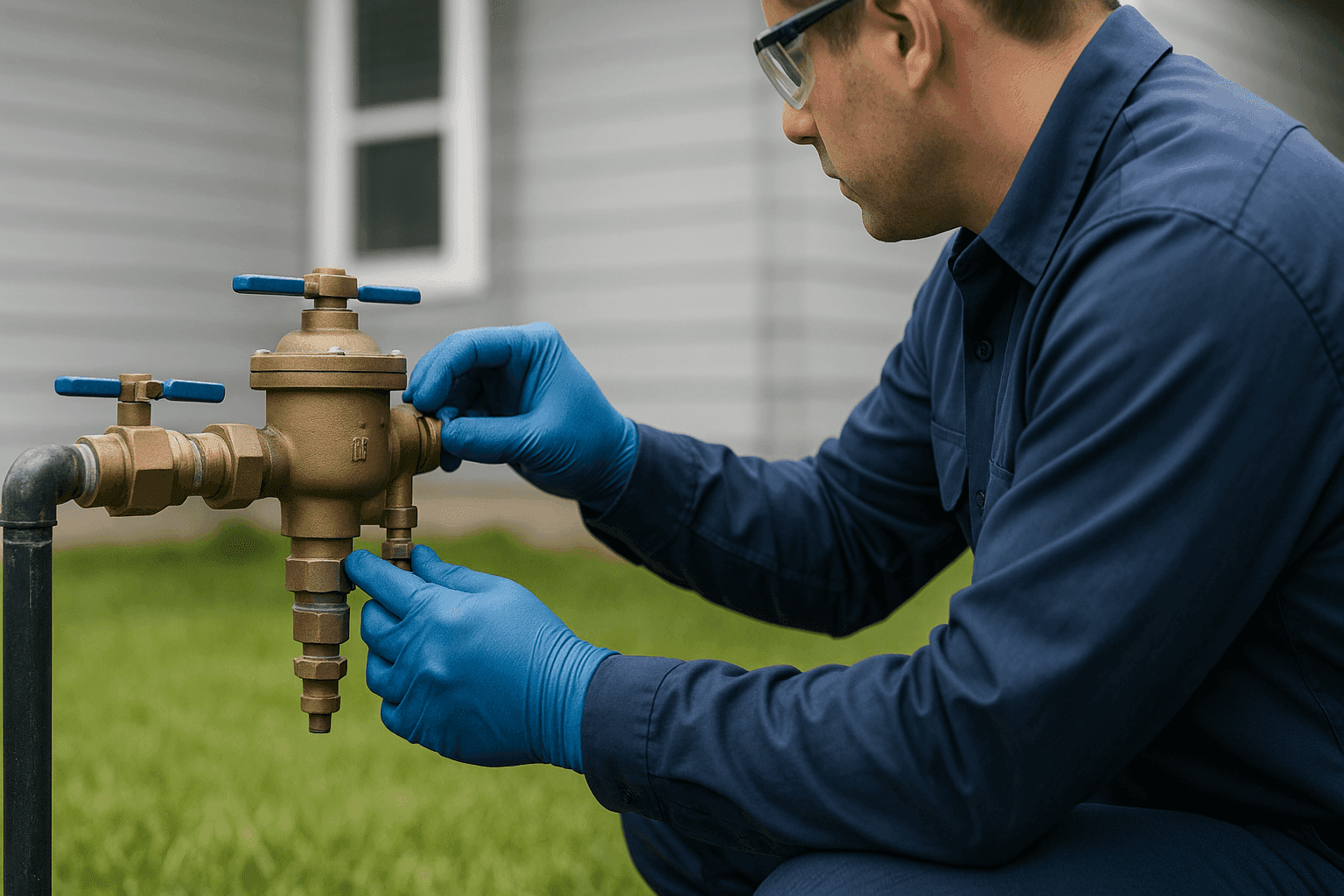
Your home’s water should always be crystal clear—safe to drink, bathe, and cook with. But what if something invisible crept backward into your pipes when you least expected it? That’s backflow. And without the right protection, it can turn a glass of water into a real risk.
At Miller Legacy Plumbing, we see how quickly backflow can become an emergency. We're here 24/7 because water safety isn't something you can put on pause. Let’s break down what backflow really means for your home—and how smart prevention keeps your family safe.
What Is Backflow? 💧
Backflow is when water flows the wrong way through your plumbing. Picture your home’s water pipes as a one-way street. Clean water comes in, used water goes out. But sometimes, pressure changes flip the flow—sending dirty water, chemicals, or even sewage right back into your clean supply.
It can happen in a blink. A water main breaks. A fire hydrant opens nearby. Suddenly, water pressure drops. Without a barrier, contaminated water can backtrack straight into your kitchen tap.
Two main types:
- Backpressure: Pressure in your pipes gets higher than the supply—think of someone blowing air backward into a straw.
- Backsiphonage: Sudden drops in water pressure suck dirty water back into the system, like a straw in reverse.
Both can bring dangerous contaminants into your home’s water lines. Fast.
Why It’s a Risk for Homeowners
It’s not just about taste or appearance. Contaminated water can carry bacteria, fertilizers, cleaning chemicals, or even sewage. You might not see or smell the danger, but it’s there.
Real-life examples:
- A garden hose left in a muddy puddle suddenly sucks up that water during a pressure dip.
- A sprinkler system without a backflow device lets fertilizer water slip into your drinking supply.
- Flooding during storms or spring melts overwhelms local systems, making backflow more likely.
The risks:
- Gastrointestinal illnesses from bacteria like E. coli
- Chemical poisoning from pesticides or cleaning agents
- Long-term plumbing damage
It’s not just a plumbing issue. It’s a health and safety issue—for everyone in your home.
Types of Backflow Preventers
Think of a backflow preventer as a strong, silent guard at your water’s entrance. It only lets water flow one way: in.
Most common types for homes:
- Air Gap: The simplest method. There’s a physical space between your faucet and sink. Water can’t jump up and flow back in.
- Double Check Valve Assembly (DCVA): Two spring-loaded check valves. Reliable for irrigation and fire sprinkler systems.
- Pressure Vacuum Breaker (PVB): Keeps outdoor irrigation water from reversing. Often used in lawns and gardens.
- Reduced Pressure Zone (RPZ) Device: The gold standard for higher-risk situations like boilers or where chemicals might enter the water.
Each has its place. Local plumbing codes (like those from the International Plumbing Code or your city’s building department) often specify which type is required.
Diagram:
Imagine a simple line drawing:
[Main Water Line] ---> [Backflow Preventer] ---> [Home Fixtures]
If water tries to push backward, the preventer closes—nothing gets through.
Testing and Maintenance Requirements 🛠️
Backflow preventers aren’t “set it and forget it.” Like your car’s brakes, they need regular checks. In many places, annual testing by a certified plumber is the law.
Why test?
- Parts can wear out
- Valves can stick
- Small leaks can develop
What happens during a test?
- Water pressure is measured before and after the device
- Valves are checked for leaks and proper closure
- Any issues are noted and fixed
At Miller Legacy Plumbing, our team holds up-to-date certifications and follows all local code requirements. After each inspection, you receive a detailed report for your records. We work closely with city inspectors to ensure your home stays compliant.
Tip: Mark your calendar for annual backflow testing—especially if you have irrigation, pools, or live in an area with seasonal water pressure changes.
Local Water Supply Risks and Seasonal Concerns
Backflow isn’t just a fair-weather problem. The risk can spike based on where you live and the season.
Floods: Heavy rains or snowmelt can overwhelm sewer systems, increasing the chance of contamination.
Freezes: Cold snaps can burst pipes, drop water pressure, and create openings for backflow.
Spring & Summer: Outdoor hose bibs, sprinklers, and pools see heavy use—prime time for accidental cross-connections.
What to look for in your area:
- Old municipal water mains (pressure drops are more likely)
- Recent construction (may disrupt local water lines)
- Known flooding zones (higher backflow risk during storms)
If you’re unsure about your neighborhood’s risk factors, local health departments and building codes (such as those from the Environmental Protection Agency or your state’s health department) are a great starting point.
Quick Homeowner Safety Checklist ✅
- Never submerge hoses in pools, buckets, or puddles.
- Install hose bib vacuum breakers on all outdoor faucets.
- Schedule annual backflow prevention device testing.
- Know where your main water shutoff valve is.
- After floods or freezes, inspect for leaks or pressure changes.
- Call for emergency plumbing help if water looks, smells, or tastes off.
DIY vs. Calling a Pro
Some things are weekend projects. Backflow prevention isn’t one of them.
DIY basics:
- Attach hose bib vacuum breakers (easy, affordable)
- Keep hoses out of standing water
Call a certified plumber if:
- You need a device installed or replaced
- Your system hasn’t been tested in the last year
- You notice water pressure drops, strange color, or taste
- You’re unsure what type of protection your home has
Remember, city inspectors and insurance companies often require proof of professional inspection—especially after remodels or when selling your home.
What Pros Do On Arrival
When you call Miller Legacy Plumbing for backflow concerns, here’s what happens:
- Inspection: We assess your plumbing layout and identify cross-connection risks.
- Device Testing: Specialized gauges check your backflow preventer’s performance.
- Repairs/Replacement: If a device fails, we repair or swap it out—using code-compliant parts.
- Documentation: Afterward, you get a test report to keep for city records or resale.
If the situation is urgent—like a sewer backup or contaminated tap water—we go straight into emergency plumbing mode. Fast, thorough, and always by the book.
Prevention & Maintenance
Backflow prevention starts with awareness, but it relies on routine.
Stay protected:
- Add backflow checks to your annual home maintenance list.
- After major plumbing work, have devices retested.
- Keep an eye out after storms, floods, or freeze-thaw cycles.
- If you’re installing new irrigation, pools, or appliances, ask about backflow requirements.
Bonus: Preventative maintenance often spots other hidden problems—leaks, old shutoff valves, or corrosion—before they cause bigger headaches.
Costs & Time Factors
How much time and money should you set aside? It depends:
- Inspection/testing: Usually less than an hour for most homes
- Device installation: 1–3 hours, depending on access and plumbing complexity
- Replacement: More time if piping needs updating
Costs vary by region, device type, and local permit requirements. The peace of mind? That’s worth it.
When It’s an Emergency
If you notice any of the following, treat it as urgent:
- Water suddenly turns brown, smells, or tastes odd
- Flooding near your main water line or sewer connections
- Recent work on city mains or hydrants nearby
- Water pressure drops dramatically
Turn off your main water supply and call for emergency plumbing help right away. Don’t drink or cook with water until it’s been checked.
Frequently Asked Questions
How often should backflow devices be tested?
Most cities require annual testing by a certified plumber. Always check local codes.
Can I install a backflow preventer myself?
Some simple hose bib devices can be DIY, but most whole-home or irrigation devices need a certified pro for code compliance.
Will insurance cover backflow damage?
Policies vary. Many require proof of regular backflow testing and maintenance.
What if I have a well or private water system?
Backflow prevention is even more important with private systems—especially if they connect to irrigation or chemical treatments.
Local & Seasonal Considerations 🌦️
In regions prone to spring floods, snow melt, or hurricane season, backflow risk rises with the water table. If your area sees deep freezes, wrap outdoor pipes and schedule inspections before winter.
Just moved into an older home? Ask for records of backflow device testing. Upgrades may be required to meet modern code.
When in doubt, a quick call can save you more than just hassle—it can protect your family’s health.
Call Miller Legacy Plumbing now — or reach us anytime at 888-859-6692 .