Boiler Repair and Maintenance: Essential Tips for Homeowners
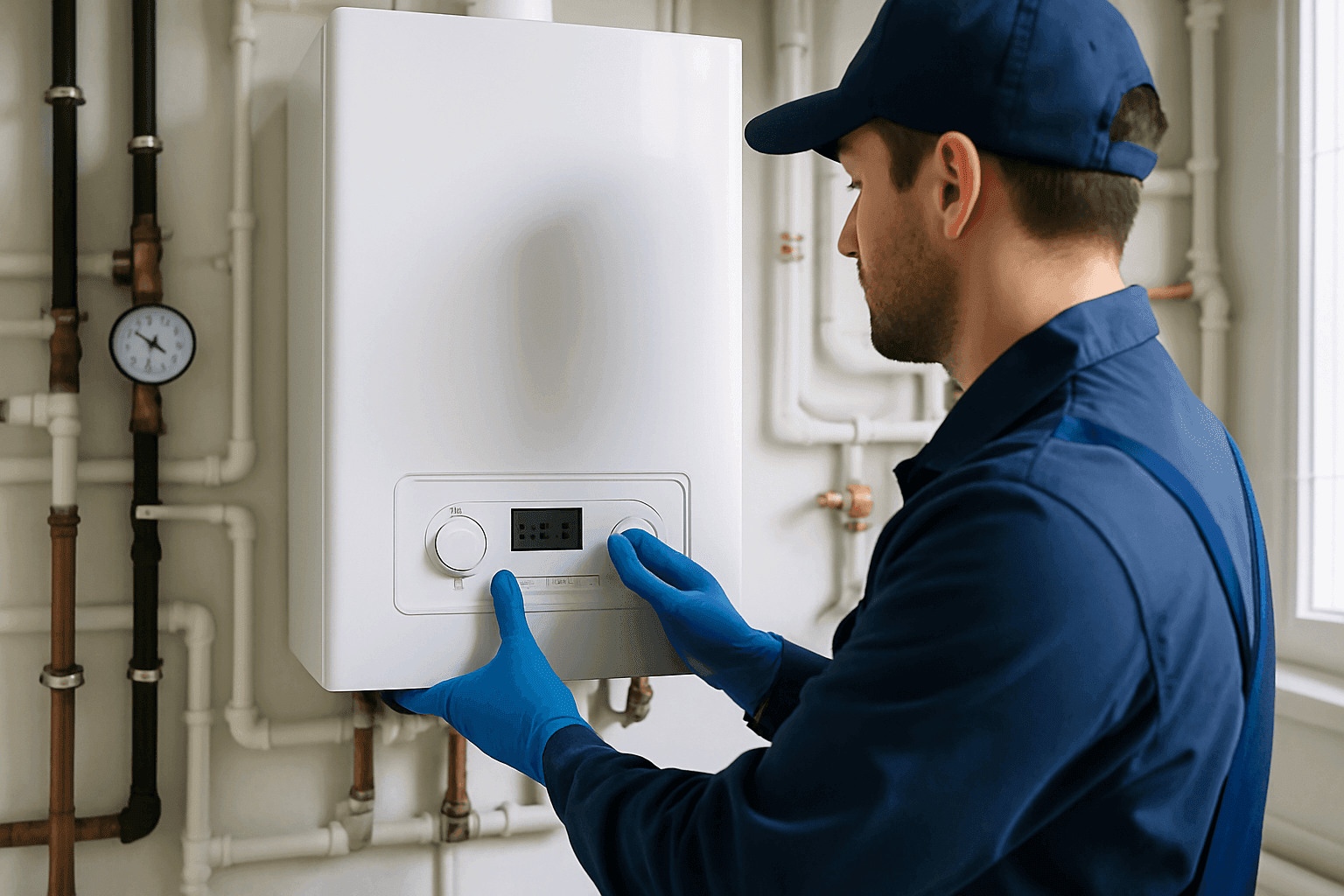
Homeowners count on their boilers every winter, but few think about them until something goes wrong. The truth? A boiler is the silent hero of your home—until it’s not. When it fails, life gets cold quickly.
At Miller Legacy Plumbing, we know a faulty boiler is more than just an inconvenience. It can put your safety at risk, especially during freezing nights. Our certified team handles emergencies and routine fixes, from leak repair to full-scale replacements. Here’s what every homeowner should know about boiler repair and maintenance.
How Boilers Work 🔥
Think of your boiler as the heart of your heating system. Water flows in, gets heated, and then circulates through pipes and radiators, warming every room. It’s an elegant, closed loop—sort of like blood moving through veins.
- Gas boilers burn fuel to heat water.
- Electric boilers use electricity to achieve the same job.
- The heated water (or steam) moves through your home, radiating warmth.
Newer models are efficient and quiet. Older ones? Not so much. But all boilers need regular care. If the “heart” develops a problem, the whole house feels it.
Warning Signs of Boiler Trouble
Your boiler won’t always shout for help. Sometimes, it whispers. Here are clues that something’s wrong:
- Strange noises: Banging, whistling, or gurgling. It’s like your pipes are trying to tell you something.
- Leaks or puddles: Water around the base is never normal.
- Loss of heat or hot water: Showers go cold, radiators stay chilly.
- Low pressure: The gauge drops below normal, hinting at a leak or failing part.
- Unusual smells: A musty or metallic odor can signal trouble.
- Rising utility bills: A boiler working overtime to heat the home uses far more energy.
If you notice any of these, don’t ignore them. Left unchecked, small problems can become emergencies fast.
DIY Maintenance Checklist
Some boiler care is safe and simple to do yourself. Think of it as brushing your teeth—not a replacement for a checkup, but a way to prevent bigger issues.
- Check the pressure gauge: Should be in the green zone (usually 1–2 bar). Top up if needed, following your manual.
- Bleed radiators: If some areas are cold, release trapped air with a radiator key.
- Look for visible leaks: Regularly check pipes and connections.
- Clear the area: Keep the space around your boiler free of clutter.
- Test the thermostat: Make sure it responds and controls the boiler correctly.
- Listen for new noises: Identify changes in sounds early.
Never attempt to dismantle gas or electrical parts yourself. For anything beyond the basics, it’s safer to call a licensed pro.
When to Call for Repair
Some fixes are better left to certified professionals. Here’s when it’s time to reach out for help:
- Persistent leaks: Water damage adds up fast.
- No heat or hot water: Especially when outside temps drop.
- Strange sounds that won’t stop: Could point to a failing pump or limescale.
- Gas smells: Evacuate immediately and call for emergency plumbing.
- Repeated pressure loss: Indicates a hidden leak or failing valve.
Our technicians at Miller Legacy Plumbing hold up-to-date certifications and follow the latest safety codes (like those from the National Board of Boiler and Pressure Vessel Inspectors). We keep your home—and your family—safe.
Efficiency, Heat Loss, and Noise: What Do They Mean?
Think of a noisy, inefficient boiler like a car with a clogged exhaust—lots of fuss, not much go. Here’s what to watch:
- Noise: Banging may mean air in the system. Whistling suggests “kettling,” often due to limescale buildup.
- Leaks: Even a small drip can rot floors, damage electricals, and spike your water bill.
- Heat loss: If some rooms are cold while others are warm, you may have circulation issues or blocked pipes.
- Inefficiency: An aging boiler burns more fuel for less heat, costing you money and comfort.
A seasoned plumber can spot and fix these issues, restoring peace—and warmth—to your home.
Seasonal Boiler Prep and Local Climate
Winter in our area is no joke. Before the first frost:
- Book a professional inspection: Annual checkups catch hidden issues and ensure you’re up to code.
- Insulate pipes: Prevents freezing and burst pipes in cold snaps.
- Test safety controls: Carbon monoxide detectors and pressure relief valves.
- Flush the system: Removes sludge and debris.
If you’re not sure what your boiler needs, reach out. Our team adapts maintenance to your climate, your system, and your schedule.
Boiler Safety: What Every Homeowner Should Know
Safety always comes first. Here’s a quick list:
- Install carbon monoxide alarms near your boiler.
- Know your shutoff valves: Gas, water, and power.
- Keep children and pets away from the utility area.
- Schedule annual service with a licensed plumber (required by most manufacturers and insurance policies).
- Check local building codes (see resources like the International Residential Code and your city’s requirements).
Emergency Plumbing: When It Can’t Wait 🚨
Some boiler problems are true emergencies. If you notice:
- Gas odor
- Major leak or flood
- No heat during a deep freeze
- Boiler won’t shut off or keeps tripping
Don’t wait. Call for emergency plumbing—fast. The sooner you act, the safer (and warmer) your home will be.
FAQ: Boiler Repair and Maintenance
How often should I have my boiler serviced?
Once a year is standard. More if you notice problems or have an older system.
Can I repair leaks myself?
Small leaks from visible fittings may be tightened, but anything more requires a licensed professional. Hidden leaks can cause major damage.
Why is my boiler making banging noises?
Usually trapped air or limescale buildup. Both need attention—air may be fixed by bleeding radiators, but limescale requires a pro.
What certifications should my plumber have?
Look for licensed, insured plumbers with up-to-date credentials. At Miller Legacy Plumbing, our team meets state and national standards.
Resources
- National Board of Boiler and Pressure Vessel Inspectors (for safety guidelines)
- International Residential Code (for home safety and compliance)
Ready for Reliable Heat?
Don’t let boiler issues leave you in the cold. Miller Legacy Plumbing is here for routine checks, urgent repairs, and everything in between. Questions about boiler care, emergency plumbing, or even a Sewer Line Inspection near you? We’re always happy to help.
Call Miller Legacy Plumbing now — or reach us anytime at 888-859-6692 .