How to Detect and Fix Hidden Plumbing Leaks Before They Cause Damage
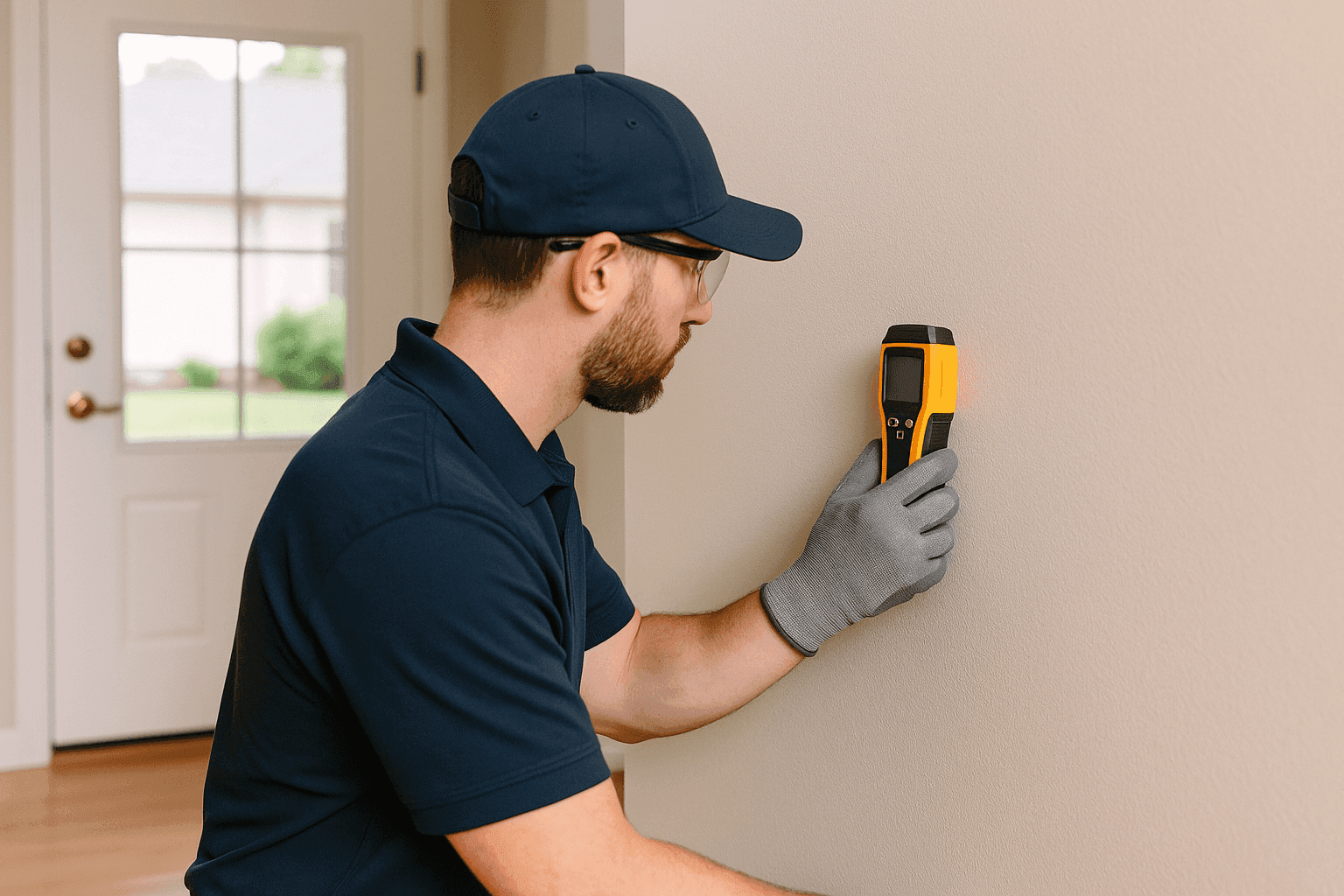
Hidden plumbing leaks are sneaky. They don’t shout for attention. Instead, they quietly drip, seep, and spread—often out of sight—until you’re facing warped floors, moldy walls, or an eye-popping water bill. It’s easy to feel overwhelmed when water seems to have a mind of its own.
At Miller Legacy Plumbing, we know the headaches and heartaches caused by undetected leaks. Our team has helped countless homeowners and small business owners stop leaks before they spiral into disasters. Let’s walk through the warning signs, what you can do, and when to call for emergency plumbing help.
The Hidden Leak Problem: Why Small Drips Become Big Headaches
A hidden leak can act like a silent intruder. It slips behind drywall, under floors, or inside cabinets. Out of sight doesn’t mean out of mind—these leaks can cause:
- Mold and mildew growth, which can harm air quality and health
- Structural damage to wood, drywall, and even foundations
- Spiking water bills with no clear explanation
- Damage to personal property, electronics, and inventory
Picture a leaky pipe as a slow-moving river carving a canyon through your home. It might start as a trickle, but over time, that water will find every crack and crevice.
Common Signs of Hidden Plumbing Leaks
- Unexplained water bill increases: If your usage hasn’t changed but your bill has, something’s up.
- Damp, musty smells: Water trapped in walls or floors creates lingering odors.
- Mold or mildew spots: Especially in places that should stay dry.
- Peeling paint or wallpaper: Moisture behind walls can cause bubbling or peeling.
- Warped or stained floors and ceilings: Water always finds a way to show itself, eventually.
- Sounds of running water: If you hear it and no tap is on, investigate.
- Low water pressure: Leaks can divert water away from where you need it.
Ignoring these signs is like ignoring a check engine light—sooner or later, you’ll pay for it.
Quick Safety Checklist Before You Investigate 🛑
Before you start poking around, safety comes first. Water and electricity don’t mix, and mold can be hazardous.
- Turn off electricity to affected areas if you suspect water near outlets or wiring.
- Wear gloves and a mask if you see mold or mildew.
- Don’t open up walls or ceilings unless you’re sure there are no electrical lines.
- Know where your main water shutoff valve is located.
- If you suspect a gas leak (smell of rotten eggs), leave the building and call your utility provider immediately.
The Occupational Safety and Health Administration (OSHA) recommends using personal protective equipment when dealing with water-damaged areas.
DIY Leak Detection: What You Can Try Before Calling a Plumber
Not every leak needs a pro from the start. Here are practical steps to hunt down hidden leaks:
1. Visual Inspection
- Check under sinks, around toilets, and behind appliances for puddles or moisture.
- Look for water stains on ceilings, walls, or floors.
- Inspect your water heater and boiler for drips or corrosion.
2. Water Meter Test
- Turn off all water-using appliances and fixtures.
- Note your water meter reading.
- Wait two hours (don’t use any water).
- If the meter reading changes, you likely have a leak.
3. Listen Carefully
- In a quiet house, listen for hissing or dripping sounds behind walls or under floors.
4. Use Leak Detection Tools
- Moisture meters can detect dampness inside walls.
- Infrared thermometers spot temperature differences caused by wet spots.
- Food coloring in the toilet tank can reveal silent leaks into the bowl.
If you find a small, accessible leak (like a dripping faucet or a loose pipe connection), you might be able to tighten fittings or replace a washer. For anything inside walls, under floors, or near electrical wiring, call a professional.
DIY vs. Call a Pro: Know Your Limits
Some fixes are safe for a handy homeowner. Others need a licensed plumber. Here’s a quick guide:
DIY-Friendly:
- Replacing a worn washer in a faucet
- Tightening loose pipe joints under a sink
- Adjusting toilet tank hardware
Call Miller Legacy Plumbing If:
- The leak is inside a wall, ceiling, or floor
- Mold or mildew is present
- Water is near electrical outlets or wiring
- Pipes are corroded, cracked, or burst
- You can’t find the source but see evidence of water damage
- The leak involves gas lines or sewer pipes
Attempting major repairs without proper training can make things worse—and might violate building codes. The International Plumbing Code (IPC) outlines safety and installation requirements for plumbing repairs.
What Happens When the Pros Arrive
When you call Miller Legacy Plumbing, our process is thorough and efficient. Here’s what you can expect:
-
Assessment
We listen to your concerns and ask questions about symptoms, timing, and any previous repairs. -
Advanced Leak Detection
Using moisture meters, thermal cameras, and acoustic sensors, we pinpoint the leak’s location—often without opening up walls. -
Damage Evaluation
We check for mold, rot, and structural issues. If water has reached electrical systems, we coordinate with licensed electricians. -
Repair Options
You’ll get clear explanations of your options, costs, and timelines. We use code-compliant materials and proven methods. -
Cleanup & Prevention
After repairs, we clean up the site and recommend ways to prevent future leaks. This may include water pressure checks, pipe insulation, or backflow testing.
Our plumbers are certified, insured, and trained in the latest leak detection technology.
Prevention & Maintenance: Stop Leaks Before They Start
An ounce of prevention is worth a pound of drywall. Here’s how to keep leaks at bay:
- Schedule annual plumbing inspections—catch small issues before they grow.
- Insulate pipes before winter to prevent freezing and bursting.
- Check water pressure regularly (ideal range: 40–60 psi). High pressure can strain pipes.
- Replace old or corroded pipes—especially galvanized steel or polybutylene, which are prone to failure.
- Install water leak detectors in basements, laundry rooms, and under sinks.
- Know your shutoff valve location and test it twice a year.
- Maintain appliances like water heaters, dishwashers, and washing machines.
The Environmental Protection Agency (EPA) recommends fixing leaks promptly to save water and prevent property damage.
Costs & Time Factors: What to Expect
Every leak is different. Here’s what usually affects the cost and repair time:
- Location of the leak: Behind walls or under floors takes more time to access.
- Severity: A small drip is quicker to fix than a burst pipe.
- Type of pipe: Copper, PEX, or PVC each require different repair methods.
- Extent of damage: Mold remediation or drywall repair adds time and cost.
- Emergency plumbing needs: After-hours or urgent calls may cost more, but fast action can save thousands in repairs.
A simple leak under a sink might take an hour to fix. Hidden leaks inside walls or foundations can take several hours—or even a day—depending on complexity.
When It’s an Emergency: Don’t Wait
Some leaks can’t wait. If you see any of the following, call for emergency plumbing help right away:
- Water pouring from ceilings or walls
- Sudden loss of water pressure throughout the building
- Sewage smells or visible sewage backup
- Gas odor near pipes or appliances
- Flooding in basements or crawl spaces
Quick action can prevent structural damage, mold growth, and major restoration bills. Miller Legacy Plumbing is available 24/7 for emergency plumbing situations.
Frequently Asked Questions
How do I know if a leak is serious?
If you see water stains, mold, or hear running water with no taps on, treat it seriously. Any leak inside walls, near electrical, or involving sewage should be handled by a professional.
Can I use leak sealant or tape for a quick fix?
Temporary measures like plumber’s tape can stop slow drips for a short time. They’re not a permanent solution. Always follow up with a professional repair.
What’s the risk of waiting to fix a leak?
Delays can lead to mold, rotting wood, damaged drywall, or even foundation problems. Water damage gets worse—and more expensive—the longer it’s ignored.
Are hidden leaks covered by insurance?
It depends on your policy. Many insurers cover sudden and accidental leaks, but not damage from long-term neglect. Check your policy details and document any damage promptly.
Special Considerations for Leak Detection & Repair
- Seasonal risks: Winter brings frozen pipes, which can burst and flood your home. Insulate pipes and let faucets drip during cold snaps.
- Older homes/buildings: Aging pipes are more likely to fail. Schedule regular inspections if your property is over 30 years old.
- Business interruptions: For small businesses, leaks can halt operations. Fast detection and repair minimizes downtime.
- Water filtration systems: Leaks around filters or softeners can cause unnoticed damage. Inspect these regularly.
Remember, the best time to fix a leak is before it becomes a waterfall.
Call Miller Legacy Plumbing now — or reach us anytime at 888-859-6692 .