Garbage Disposal Repair: Troubleshooting Noises, Jams, and Odors
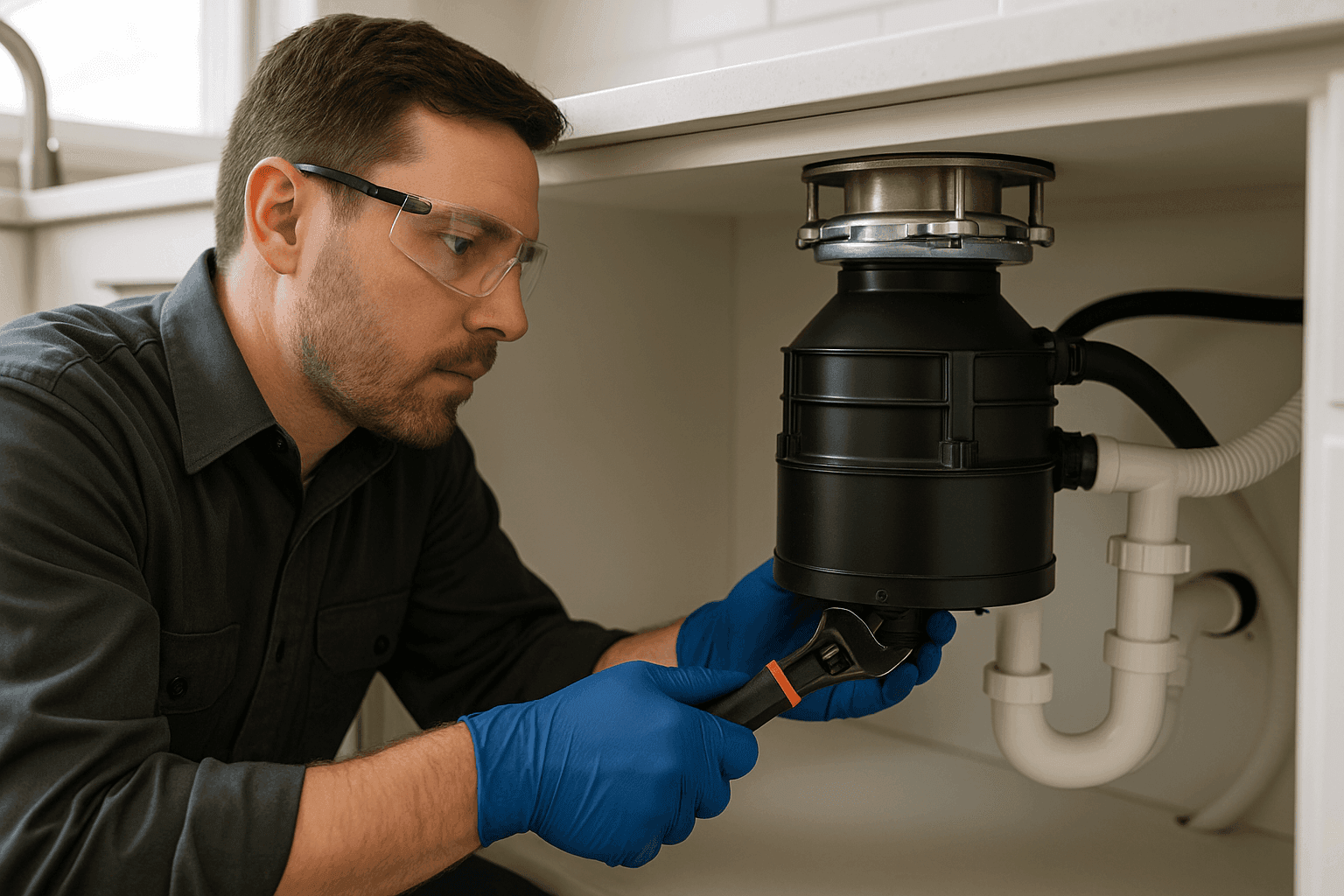
A garbage disposal is the silent workhorse of many kitchens—until it starts making a racket, gets stuck, or smells like last week’s leftovers. When your disposal acts up, it’s not just an inconvenience. It can be a real disruption to your day, especially if you’ve got a busy household or guests on the way.
We get it. At Miller Legacy Plumbing, we know how quickly a small issue can snowball into a plumbing emergency. Our team handles everything from emergency plumbing calls to routine Sewer Line Inspection near you. Here’s what you need to know to keep your kitchen running smoothly—and when it’s time to call in the pros.
Common Garbage Disposal Issues 🛠️
Garbage disposals have a tough job. Over time, even the best units can develop problems. Here are some of the most common headaches:
- Strange Noises: Grinding, rattling, or metal-on-metal sounds.
- Jams: The disposal won’t spin, hums, or gets stuck.
- Persistent Odors: Foul smells that linger even after cleaning.
- Leaks: Water pooling under the sink or dripping from the unit.
- Failure to Turn On: No sound or movement at all.
Think of your disposal like a blender for your sink. When the blades get stuck or something blocks the mechanism, you’ll notice right away.
DIY Troubleshooting Steps
Before you reach for the phone, there are safe steps you can try at home. Always put safety first—think of this like checking under the hood before calling a tow truck.
Quick Safety Checklist
- Unplug the unit or switch off power at the breaker.
- Never put your hand inside the disposal—use tongs or pliers for obstructions.
- Keep the area dry to avoid slips or shocks.
- Use a flashlight for better visibility.
- Wear gloves if handling sharp or messy debris.
Steps for Noises and Jams
- Check for foreign objects: Utensils, bottle caps, or bones can fall in unnoticed.
- Use the reset button: Most disposals have a red or black button underneath. If it’s popped out, press it back in.
- Try the manual crank: Insert an Allen wrench (usually 1/4") into the slot on the bottom. Turn back and forth to free the blades.
- Test the power: Plug the unit back in and run cold water while flipping the switch.
For Odors
- Pour a mix of ice cubes and a handful of salt down the disposal. Let it grind for a few seconds.
- Add a few lemon peels or baking soda, then flush with cold water.
- Avoid harsh drain cleaners—these can damage plumbing and harm the environment.
If It Still Won’t Budge
If none of these tricks work, or if the reset button keeps tripping, it’s time to call Miller Legacy Plumbing. Sometimes, what seems like a simple jam signals a bigger issue, like worn bearings or a failing motor.
When to Call for Repair or Replacement
Garbage disposals are sturdy but not invincible. Here’s when you should stop DIY attempts:
- Repeated resets: If the reset button trips often, there may be an electrical issue.
- Persistent leaks: Leaks from the bottom usually mean the unit’s internal seal is shot.
- Unusual noises after clearing debris: Grinding or metal sounds signal internal damage.
- Old age: Disposals typically last 8–15 years. Frequent issues may mean it’s time to replace.
Calling for professional repair ensures the job is done safely and up to code. At Miller Legacy Plumbing, our technicians are insured and trained to handle even the trickiest kitchen plumbing repairs.
Preventing Future Jams and Odors 🧽
Just like you wouldn’t put rocks in a blender, some things just don’t belong in your garbage disposal. Regular care goes a long way.
Best Practices
- Run cold water before, during, and after using the disposal.
- Cut large scraps into smaller pieces.
- Don’t overload the disposal—feed in bits at a time.
- Avoid: grease, fibrous veggies (celery, corn husks), coffee grounds, bones, or pasta.
- Clean monthly with baking soda and vinegar, followed by a flush of cold water.
Eco-Friendly Disposal Advice
Compost food scraps when possible. The less you send down the drain, the better for your pipes—and the environment. Local waste guidelines (see EPA and municipal codes) often encourage composting over grinding.
Costs & Time Factors
Most minor repairs—like clearing jams or replacing switches—can be done quickly, often in under an hour. Bigger fixes, such as replacing the unit or sealing leaks, may take longer.
- Repair costs depend on the issue and parts needed.
- Replacement is more likely for older units, severe leaks, or major electrical problems.
Always ask for an estimate and discuss options. Licensed plumbers, like those at Miller Legacy Plumbing, will walk you through the process so there are no surprises.
When It’s an Emergency
Some disposal problems can’t wait:
- Water leaking onto the floor or into cabinets can cause mold and damage.
- Electrical shorts or burning smells—shut off power and call immediately.
- Backups that affect multiple fixtures may point to a blockage in your main drain or sewer line.
If you smell gas or suspect a leak, evacuate and contact emergency services before calling for plumbing help. Safety first.
Frequently Asked Questions
How often should I clean my garbage disposal?
Monthly cleaning with safe, non-abrasive methods keeps odors and buildup at bay.
Is it safe to use chemical drain cleaners?
No. These can corrode pipes and are harmful to the environment. Stick to mechanical or natural cleaning methods.
What if my disposal hums but doesn’t spin?
This usually means it’s jammed. Try the reset button and manual crank. If it still won’t work, call a professional.
Why does my disposal keep tripping the breaker?
Frequent tripping can signal electrical issues or a failing motor. This is a job for a licensed plumber.
Local & Seasonal Considerations
Cold weather can make grease congeal faster, increasing the risk of clogs. In older homes, worn pipes and outdated wiring can also create unique challenges. If you’re in an area with frequent power outages or heavy use during holidays, schedule preventative maintenance to avoid surprises.
For homes with septic systems, check local codes (refer to your city’s municipal guidelines) about what’s safe to send down the disposal.
If your garbage disposal is acting up, don’t wait for it to become a bigger headache. For fast, insured repairs and kitchen plumbing peace of mind, Call Miller Legacy Plumbing now — or reach us anytime at 888-859-6692 .