Hiring a Plumber: Checklist for Choosing a Reliable Pro
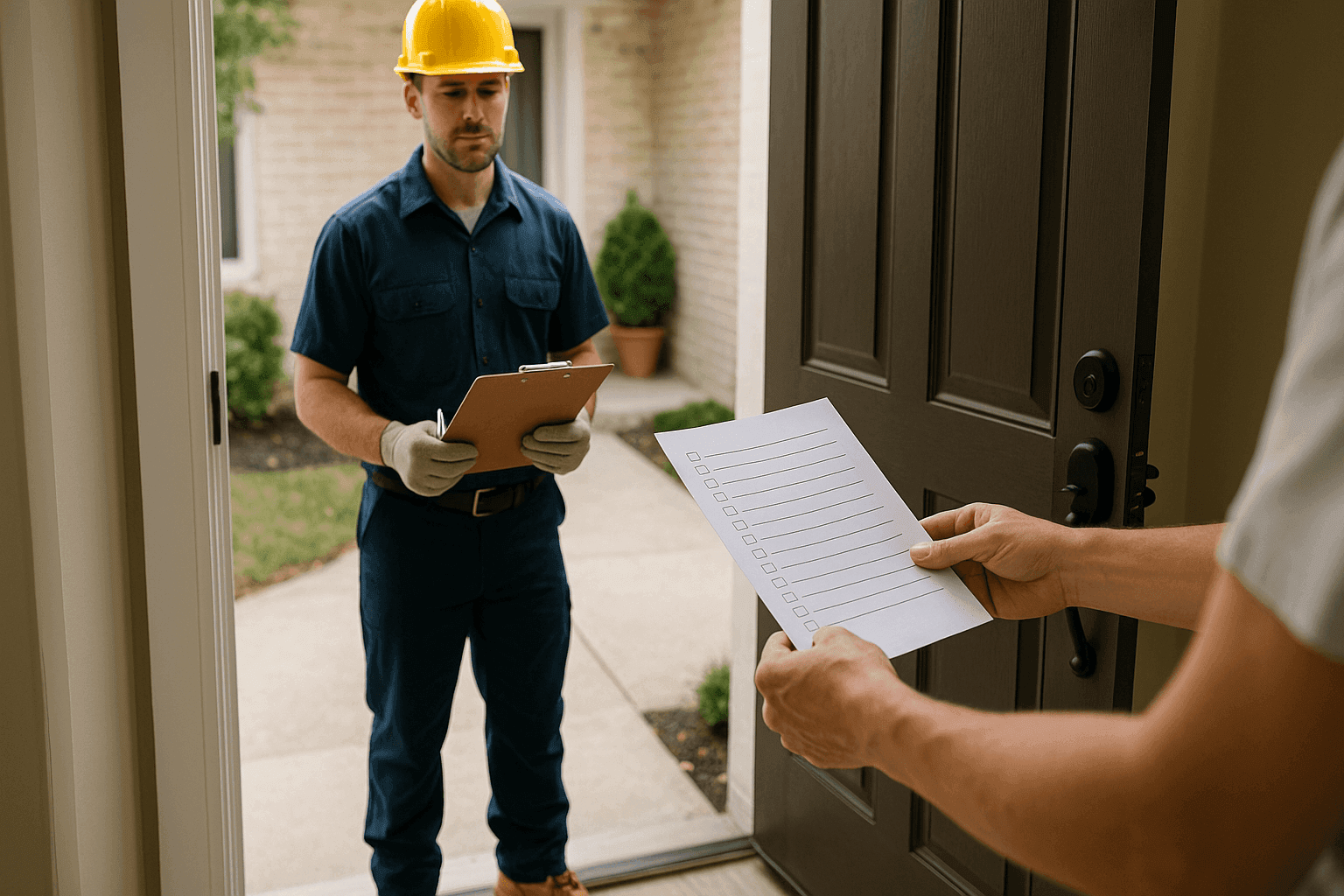
Life has a way of throwing curveballs. A pipe bursts in the wall, your bathroom floods, or the kitchen sink just won’t drain. When water’s gushing where it shouldn’t—or you’re planning a new installation—you don’t want to gamble on the wrong plumber.
At Miller Legacy Plumbing, we understand the stakes. Whether you need emergency plumbing or a routine Sewer Line Inspection near you, choosing the right professional matters. Here’s your guide for hiring a plumber you can trust, with a printable checklist to keep you on track.
Why Professional Licensing Matters 🛠️
Imagine hiring a pilot without a license. You wouldn’t, right? The same logic applies to plumbers. Professional licensing isn’t just a piece of paper—it’s proof the person in your home has met strict state or local standards.
Why does this count?
- Licensed plumbers follow building codes and safety rules set by organizations like the International Association of Plumbing and Mechanical Officials (IAPMO).
- Licensing means ongoing training, so plumbers stay sharp on the latest safety measures and technology.
- If a licensed plumber messes up, you have options—complaints can be filed with your state licensing board.
No license? You might be left with shoddy work, code violations, or repairs that cost more down the line. Worse, your insurance might not cover damages from unlicensed work.
What to Look for in a Plumber
Not all plumbers are created equal. Some show up on time, explain things clearly, and leave your home cleaner than they found it. Others? Not so much. Here’s what sets the pros apart:
- Valid Local License: Always ask for proof. No license, no deal.
- Insurance: Liability and worker’s compensation insurance protect both you and their crew.
- Clear Communication: Good plumbers explain what needs fixing—and why. They answer your questions without talking down to you.
- Written Estimates: A real pro gives you details in writing. No surprises, no “gotchas.”
- Online Reviews: Check Google, Yelp, or the Better Business Bureau. Look for patterns in feedback, not just the star rating.
- Local Knowledge: A plumber who works in your area knows the quirks of local water pressure or city sewer codes.
- Emergency Experience: Not every plumber can handle a midnight pipe burst. Make sure they offer 24/7 emergency plumbing when you need it.
Key Questions to Ask Before Hiring
It’s easy to freeze up when a plumber arrives, especially during a crisis. Keep these questions handy:
- Are you licensed and insured for this type of work?
- How many years have you been in business?
- Can you provide references from past customers?
- What’s included in your estimate?
- Will you handle permits and inspections if needed?
- Who will actually be doing the work?
- Do you guarantee your workmanship?
- What’s your response time for emergency plumbing calls?
- Do you have experience with Sewer Line Inspection near me?
- How do you handle unexpected problems or costs?
Pro tip: You’re not being a pest. Responsible plumbers expect these questions.
Warning Signs of Unqualified Contractors 🚩
A smooth talker isn’t always a skilled pro. Watch for these red flags:
- No License or Insurance: They “forgot” their paperwork or dodge the question.
- Cash-Only Demands: Insist on cash up front? Walk away.
- Vague Estimates: If the numbers are fuzzy, so is their business.
- Unmarked Vehicles: Legitimate plumbers have logos and contact info on their trucks.
- Pushy Sales Tactics: Pressure to sign now or scare tactics about “imminent disaster.”
- No Address or Local History: Only a phone number and no traceable location? That’s not reassuring.
- Bad Online Reviews: One or two can happen. But lots of recent complaints about no-shows or unfinished jobs? Move on.
The Homeowner’s Plumbing Hiring Checklist
Print or screenshot this. Use it for every plumbing job—big or small.
Before You Call:
- [ ] Define the problem or project (leak, clog, install, etc.)
- [ ] Gather photos or notes to show the plumber
When Researching Plumbers:
- [ ] Check for a valid local license
- [ ] Confirm proof of insurance
- [ ] Read recent online reviews
- [ ] Ask friends or neighbors for recommendations
- [ ] Look for experience with your specific issue (e.g., Boiler Repair, Pipe Repair)
When You Call:
- [ ] Ask about emergency plumbing availability if needed
- [ ] Request a written estimate and timeline
- [ ] Confirm who will do the work
- [ ] Ask about permitting, inspections, and local codes
Before Work Starts:
- [ ] Get all costs in writing
- [ ] Confirm start and finish dates
- [ ] Check for company logo/uniform on arrival
- [ ] Walk through the job with the plumber
After Completion:
- [ ] Inspect the work before paying
- [ ] Ask for tips on preventative maintenance
- [ ] Save the plumber’s contact info for next time
Guidance for Both Emergency and Planned Projects
Emergencies are stressful. Water’s everywhere. Time is money. But don’t skip the basics—license, insurance, and references still matter, even at midnight.
For planned jobs, like Repiping or Water Filtration Systems, you have more breathing room. Take time to compare estimates. Ask detailed questions. Look for plumbers with specialized experience—installing a Sump Pump or handling Gas Safety Checks requires a different skill set than unclogging toilets.
Tip: Even in a rush, a five-minute phone call can reveal a lot about professionalism.
Practical Tips for Homeowners
- Don’t ignore warning signs: Small leaks can lead to big damage. Call a pro sooner, not later.
- Keep records: Save all receipts, estimates, and photos. They’re helpful for insurance or warranties.
- Learn basic shut-off skills: Know where your main water and gas shut-offs are. In an emergency, this buys you time (and safety).
- Schedule annual maintenance: Preventative Maintenance and Backflow Testing can catch problems before they erupt.
References & Resources
- International Association of Plumbing and Mechanical Officials (IAPMO): Sets plumbing code standards used nationwide.
- Local Building Department: Confirms current licensing and code requirements in your city or county.
- U.S. Environmental Protection Agency (EPA): Offers guidelines on safe water systems and lead-free plumbing.
- Consumer Reports: Provides unbiased reviews and checklists for home services.
Closing Thoughts
Finding a reliable plumber is a lot like finding a good mechanic or a trustworthy babysitter. You want someone who shows up, does the job right, and treats your home with respect. Whether it’s a pipe repair, emergency plumbing, or a Sewer Line Inspection near you, use this checklist to protect your home and your wallet.
Call Miller Legacy Plumbing now — or reach us anytime at 888-859-6692 .