Preventing Plumbing Emergencies: Essential Tips for Homeowners and Small Businesses
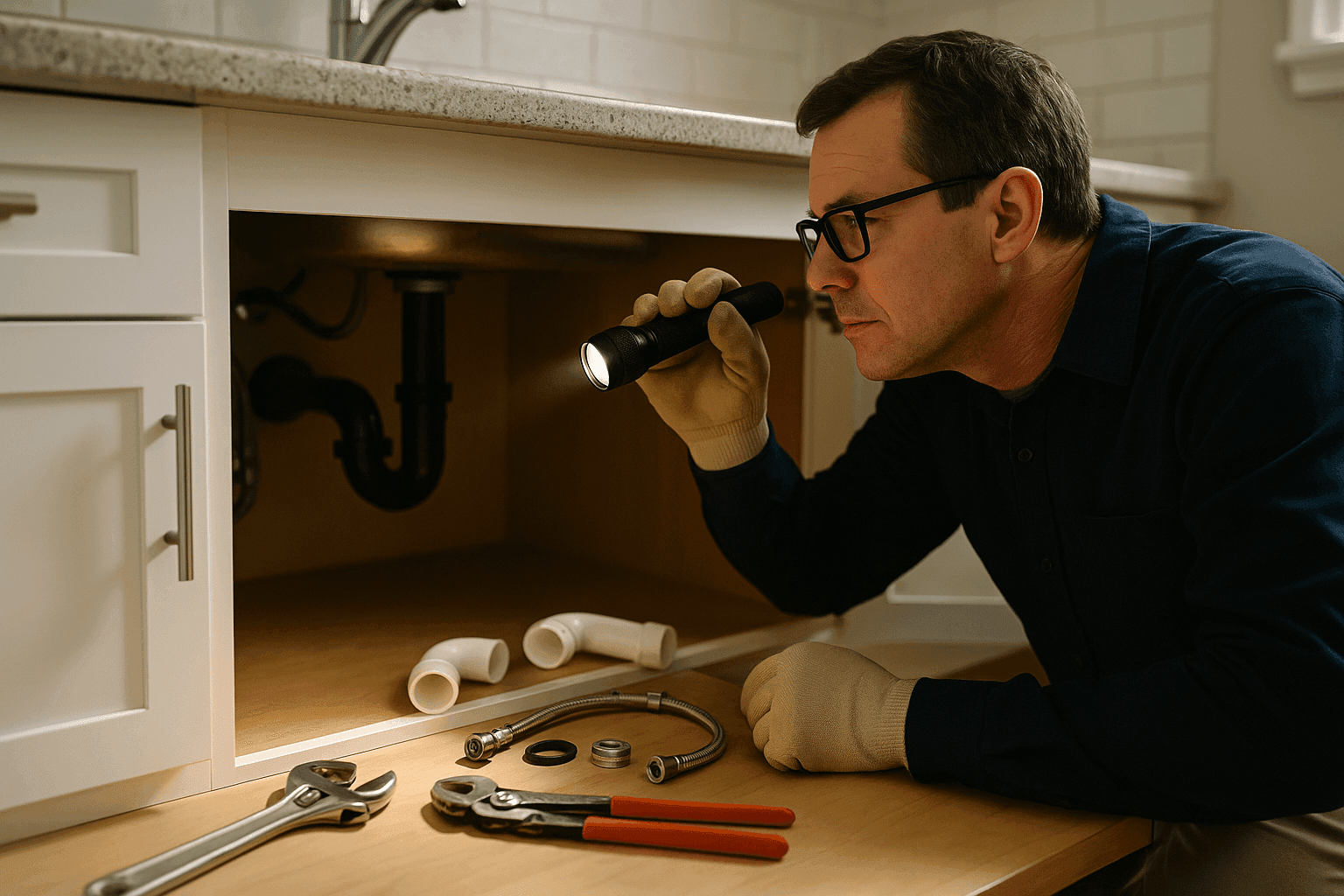
Plumbing emergencies have a way of showing up at the worst possible moment. A burst pipe, a clogged drain, or a leaking water heater can turn a peaceful day into a frantic scramble. At Miller Legacy Plumbing, we know how stressful these moments can be—because we’ve helped countless homeowners and small business owners get back on track.
The good news? Most plumbing disasters can be avoided with a little know-how, regular maintenance, and an eye for early warning signs. Let’s walk through how you can protect your property, your wallet, and your peace of mind.
Common Causes of Plumbing Emergencies 🚨
Think of your plumbing like the veins and arteries of your home or business. When something goes wrong, it can quickly affect everything around it. Here are the usual suspects behind plumbing emergencies:
- Leaking Pipes: Even a slow drip can eat away at walls, floors, and your budget. Over time, leaks can lead to mold and structural damage.
- Clogged Drains: Hair, grease, and debris build up like traffic jams in your pipes. Left unchecked, they cause backups and overflows.
- Pipe Bursts: When water freezes or pipes corrode, the pressure builds up until the pipe gives way—often with dramatic results.
- Faulty Water Heaters: Sediment build-up or worn-out parts can lead to leaks, loss of hot water, or even dangerous pressure build-ups.
- Backflow Issues: Dirty water flowing the wrong way threatens your health and safety.
- Toilet Overflows: Sometimes it’s a simple clog, other times it’s a sign of a bigger sewer line issue.
According to the International Association of Certified Home Inspectors, water damage from plumbing failures is one of the most common—and costly—insurance claims for property owners.
Seasonal Plumbing Maintenance Tips
Just as you change your wardrobe with the seasons, your plumbing needs a little extra attention as the weather shifts.
Spring & Summer
- Check for Leaks: Inspect hoses, faucets, and exposed pipes for drips.
- Clean Gutters & Downspouts: Prevent water from pooling near your foundation.
- Test Sump Pump: Heavy rains can overwhelm a faulty pump. Pour water into the pit to make sure it kicks on.
- Inspect Outdoor Spigots: Freezing temps can cause cracks that only show up when you turn the water back on.
Fall & Winter
- Insulate Pipes: Wrap pipes in unheated areas to prevent freezing.
- Drain Outdoor Faucets: Disconnect hoses and shut off outdoor water valves.
- Service Water Heater: Sediment builds up faster in cold months—flush the tank to keep it efficient.
- Seal Gaps: Use caulk or foam to keep cold air away from pipes under sinks or in crawl spaces.
Regular seasonal checks can help you catch small problems before they become big headaches.
Early Warning Signs: What to Watch For
Your plumbing often whispers before it shouts. Listen for these early warning signs:
- Sudden Drop in Water Pressure: May signal a hidden leak or blockage.
- Unusual Noises: Banging, whistling, or gurgling pipes can mean air in the lines or loose parts.
- Slow Drains: Water pooling in sinks, tubs, or showers is rarely just a fluke.
- Water Stains or Dampness: Spots on ceilings, walls, or floors can mean a leak is hiding out of sight.
- Rusty or Discolored Water: Often a sign of pipe corrosion or sediment in your water heater.
- Bad Odors: Persistent smells from drains or toilets could mean a sewer issue.
If you notice any of these, don’t ignore them. Small signals can be early clues to bigger issues down the line.
Essential Tools and Preventative Measures
You don’t need to be a plumber to keep your system running smoothly. Here are a few tools and habits that make a big difference:
- Plunger: Your first line of defense for minor clogs.
- Pipe Wrench & Adjustable Pliers: Handy for tightening loose fittings.
- Drain Snake or Auger: Clears out stubborn blockages without harsh chemicals.
- Water Leak Detector: Battery-powered alarms alert you to leaks under sinks or near water heaters.
- Insulation Wrap: Protects pipes in garages, basements, or attics.
Simple Habits for Prevention
- Don’t Pour Grease Down Drains: It solidifies and causes clogs.
- Use Drain Screens: Catch hair and debris before they enter your pipes.
- Flush Only Toilet Paper: Even “flushable” wipes can cause blockages.
- Run Water When Using Garbage Disposal: Helps wash debris through the system.
- Know Your Main Shut-Off Valve: In an emergency, shutting off water quickly can save thousands in damage.
When to Schedule Professional Inspections and Services
Some plumbing tasks are best left to those with the right training and tools. Here’s when to call in the pros at Miller Legacy Plumbing:
- Annual Backflow Testing: Required by many safety codes to keep drinking water safe.
- Sump Pump Maintenance: A malfunctioning pump can’t protect your basement from flooding.
- Sewer Line Inspection: Especially important for older properties or those with large trees nearby.
- Gas Line Checks: Leaks can be dangerous—regular inspections keep your property safe.
- Water Heater Flushing & Inspection: Keeps your system running efficiently and extends its life.
- Preventative Maintenance Plans: Regular check-ups catch problems early and often cost less over time.
Professional inspections can reveal hidden issues, ensure your system meets current safety standards, and keep your plumbing running smoothly year-round.
Quick Safety Checklist
- Know where your main water shut-off valve is located.
- Keep emergency plumbing contacts handy.
- Install leak detectors near water heaters, dishwashers, and laundry machines.
- Test sump pumps before heavy rain.
- Insulate exposed pipes before cold weather hits.
- Never ignore unusual sounds, smells, or water stains.
A few minutes now can save hours of stress and thousands in repairs later.
DIY or Call a Pro?
Some plumbing fixes are safe to tackle yourself. Others need a trained hand.
DIY-Friendly:
- Clearing minor drain clogs with a plunger or hand auger.
- Replacing faucet washers or showerheads.
- Insulating pipes with foam sleeves.
Call a Pro For:
- Persistent leaks or water stains.
- Sewer line blockages or backflow problems.
- Gas line installation or repair.
- Major appliance installation (water heaters, boilers).
- Any sign of mold or water damage.
If you’re not sure, err on the side of caution. Plumbing systems can be more complex than they look, and a small mistake can lead to bigger problems.
What Pros Do On Arrival
When you call Miller Legacy Plumbing for emergency plumbing help, here’s what you can expect:
- Rapid Assessment: We quickly identify the source of the problem—whether it’s a leak, clog, or equipment failure.
- Containment: We’ll stop the flow of water or gas to prevent further damage.
- Detailed Diagnosis: Using specialized tools, we pinpoint the issue—often with video inspection or pressure testing.
- Clear Communication: You’ll get a straightforward explanation of what needs to be done, why, and what to expect next.
- Safe, Code-Compliant Repairs: All work follows current plumbing codes and safety guidelines, including those from the International Plumbing Code and Occupational Safety and Health Administration (OSHA).
- Cleanup & Prevention Advice: Once repairs are complete, we’ll share tips to help you avoid repeat problems.
Prevention & Maintenance
Plumbing, like any system, works best with a little routine care.
- Schedule Annual Inspections: A yearly professional check-up is like a wellness visit for your pipes.
- Flush Water Heaters: Removes sediment and keeps hot water flowing.
- Check Supply Lines: Flexible hoses under sinks and behind appliances should be replaced every 5–7 years.
- Monitor Water Pressure: High pressure stresses pipes and fixtures; a pressure-reducing valve can help.
- Install Water Filtration: Protects your plumbing from mineral build-up and improves water quality.
- Backflow Prevention Devices: Essential for properties with irrigation systems or fire sprinklers.
Simple steps today can mean fewer emergencies tomorrow.
Costs & Time Factors
Plumbing emergencies can range from a quick fix to major repairs. Here’s what to expect:
- Minor Repairs: Things like unclogging a drain or fixing a leaky faucet can often be handled within an hour.
- Moderate Issues: Replacing a section of pipe or repairing a water heater might take several hours.
- Major Emergencies: Burst pipes, sewer line repairs, or repiping projects can take a day or more, depending on the extent of the damage.
Costs vary based on the job, materials needed, and time required. Preventative maintenance is almost always less expensive than emergency repairs.
When It’s an Emergency
Some plumbing problems just can’t wait:
- Burst Pipes: Shut off your main valve and call immediately.
- Major Leaks: If water is spreading quickly, act fast to prevent structural damage.
- Sewage Backups: Raw sewage is a health hazard—leave the area and call for emergency plumbing help.
- No Water or Hot Water: Can disrupt daily life or business operations.
If you’re unsure, it’s better to call and ask. Quick action can prevent bigger headaches and higher bills.
FAQ
How often should I schedule a plumbing inspection?
Most properties benefit from a yearly inspection. Older buildings or those with a history of issues may need more frequent checks.
What is backflow testing, and why is it important?
Backflow testing ensures that contaminated water doesn’t flow backward into your clean water supply. It’s required by many safety codes and helps protect your health.
Can I use chemical drain cleaners for clogs?
It’s best to avoid them. Chemical cleaners can damage pipes and harm the environment. Mechanical tools or professional drain cleaning are safer, more effective options.
How do I know if my sump pump is working?
Pour a bucket of water into the sump pit. The pump should turn on and remove the water. If it doesn’t, call for service before the next big storm.
Special Considerations for Homeowners and Small Business Owners
- Business Downtime: Plumbing emergencies can shut down operations. Preventative maintenance helps keep your doors open.
- Older Properties: Aging pipes and fixtures are more prone to leaks and breaks. Schedule regular inspections and consider repiping if issues persist.
- Compliance: Many businesses are required by law to perform regular backflow testing and maintain safe water systems.
- Health & Safety: Leaks, mold, and water contamination can threaten the health of your family, employees, or customers.
Staying proactive isn’t just about avoiding inconvenience—it’s about protecting your investment, your reputation, and the people who rely on you.
Call Miller Legacy Plumbing now — or reach us anytime at 888-859-6692 .