Seasonal Plumbing Maintenance: Essential Tips to Protect Your Home Year-Round
Plumbing problems don’t care about the calendar. A small leak in spring can become a flood by winter. A clogged drain on a hot summer day can bring business to a standstill. For homeowners and small business owners, staying ahead of plumbing issues isn’t just smart—it’s essential.
At Miller Legacy Plumbing, we know that preventative maintenance is the best insurance against unexpected breakdowns and costly emergency plumbing calls. Let’s walk through the year, season by season, with practical steps you can take to keep your pipes flowing and your property safe.
Spring Plumbing Checks 🌱
Spring is the season of new beginnings—and for your plumbing, it’s a chance to recover from winter’s wear and tear. Melting snow and spring rains can reveal hidden problems that have been festering underground or behind walls.
Inspect for Winter Damage
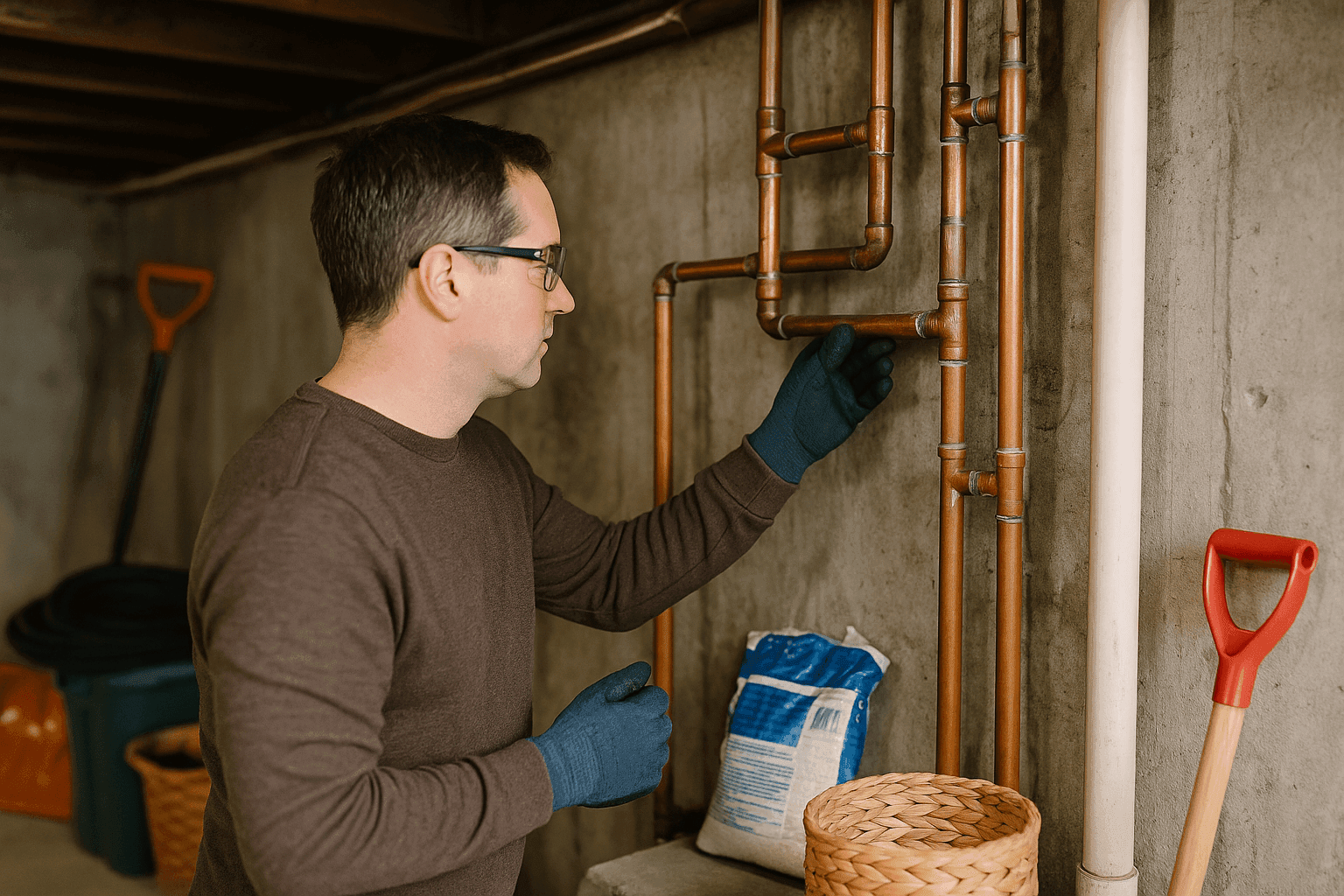
- Check exposed pipes for cracks or leaks, especially in basements and crawl spaces. Even a hairline fracture can lead to major water damage.
- Look for water stains on ceilings, walls, and under sinks. These are red flags for hidden leaks.
- Test outdoor faucets and hose bibs before you start watering the garden. If you notice low pressure or drips, you may have a burst pipe inside the wall.
Sump Pump and Drainage
- Test your sump pump by pouring a bucket of water into the pit. It should kick on immediately. If not, clean the pump and check for blockages.
- Clear gutters and downspouts to direct water away from your foundation. Pooling water can seep into basements and cause mold.
Sewer Line and Backflow
- Schedule a sewer line inspection if you’ve had slow drains or backups. Roots love to invade old pipes in spring.
- Test your backflow prevention device to ensure your drinking water stays safe, especially if you use irrigation or sprinkler systems.
Spring Cleaning for Fixtures
- Clean aerators and showerheads to remove mineral buildup.
- Check toilets for silent leaks by adding a few drops of food coloring to the tank. If color appears in the bowl, it’s time for a repair.
Summer Plumbing Care ☀️
Summer brings outdoor fun, but also increased water use. Extra showers, laundry, and watering the lawn put more strain on your plumbing system.
Watch for Water Pressure Changes
- Monitor water pressure throughout the house. Sudden drops can signal a leak or main line issue.
- Inspect hose connections for leaks. Even small drips can waste hundreds of gallons over the season.
Garbage Disposal and Kitchen Plumbing
- Run cold water while using the garbage disposal to keep fats and oils from solidifying in pipes.
- Avoid putting fibrous foods like corn husks or melon rinds down the disposal—they can wrap around the blades and cause jams.
Prevent Clogs
- Remind family or employees to avoid flushing wipes, paper towels, or hygiene products.
- Use drain strainers in sinks and tubs to catch hair and debris before they cause trouble.
Vacation Preparation
- Turn off the main water valve if you’ll be away for more than a few days.
- Inspect your water heater for leaks or rust. Summer is a good time to flush the tank and remove sediment.
Fall Preparation Tips 🍂
As the leaves start to fall, your plumbing needs a little extra attention to prepare for colder weather ahead.
Insulate and Protect
- Insulate exposed pipes in unheated areas like garages, basements, and crawl spaces. Pipe insulation is inexpensive and easy to install.
- Disconnect and drain outdoor hoses to prevent trapped water from freezing and bursting pipes.
- Shut off and drain exterior faucets if your system allows.
Water Heater and Boiler Maintenance
- Have your water heater or boiler checked by a licensed plumber. Sediment buildup can reduce efficiency and lead to failure when you need hot water most.
- Check the temperature setting—120°F is usually ideal for safety and savings.
Sewer and Drain Readiness
- Clear leaves and debris from yard drains and window wells.
- Schedule a professional sewer line inspection if you’ve had problems with tree roots or backups in the past.
Leak Detection
- Listen for running toilets or dripping faucets.
- Check under sinks and behind appliances for puddles or dampness.
Winter Plumbing Protection ❄️
Winter is the season when pipes are most at risk. A frozen pipe can burst like a soda can left in the freezer, causing thousands in damage.
Prevent Frozen Pipes
- Let faucets drip during extreme cold to keep water moving.
- Open cabinet doors under sinks to let warm air circulate around pipes.
- Seal cracks and gaps in walls or foundations to keep cold air out.
Emergency Plumbing Readiness
- Know where your main shutoff valve is located. If a pipe bursts, quick action can save your home or business from flooding.
- Keep Miller Legacy Plumbing’s number handy for true emergencies.
Hot Water System Care
- Check your water heater’s pressure relief valve.
- Flush the tank if you didn’t get to it in the fall.
Sump Pump and Backflow
- Test your sump pump before the first big snow or thaw.
- Inspect your backflow prevention device for winter readiness.
Why Seasonal Maintenance Matters
Think of your plumbing system like the circulatory system of your home or business. When it’s healthy, everything flows smoothly. But neglect can lead to blockages, leaks, or even catastrophic failures that stop life in its tracks.
Preventative maintenance isn’t just about avoiding inconvenience. It’s about protecting your investment, your health, and your peace of mind. According to the International Association of Certified Home Inspectors (InterNACHI) and the Uniform Plumbing Code, regular inspections and upkeep are key to long-term plumbing health.
DIY Plumbing Tasks vs. When to Call a Pro
Some plumbing maintenance tasks are perfect for a handy homeowner or business owner. Others require the tools and training of a licensed plumber.
What You Can Do
- Check for leaks, drips, and water stains.
- Clean faucet aerators and showerheads.
- Insulate exposed pipes.
- Test your sump pump and backflow devices.
- Flush your water heater (if you’re comfortable and have read the manufacturer’s instructions).
When to Call a Licensed Plumber
- Persistent leaks or water stains that don’t go away.
- Low water pressure throughout the building.
- Recurring clogs or slow drains.
- Sewer odors or signs of a main line backup.
- Issues with your water heater, boiler, or gas lines.
- Backflow prevention device failures.
A licensed plumber not only fixes problems—they spot early warning signs you might miss, and ensure repairs meet safety codes.
What Licensed Plumbers Do on Arrival
When you call Miller Legacy Plumbing for seasonal maintenance or emergency plumbing, here’s what you can expect:
- A thorough inspection of your plumbing system, inside and out.
- Use of advanced leak detection tools, like thermal imaging or acoustic sensors.
- Testing of sump pumps, water heaters, and backflow devices.
- Professional drain cleaning and inspection, if needed.
- Clear, honest communication about what needs attention—no scare tactics or upselling.
- Repairs or replacements using code-approved materials and methods.
Preventative Maintenance: The Best Defense
Routine plumbing checks are like oil changes for your car. They keep things running smoothly and catch small issues before they become big headaches.
Key Preventative Steps
- Schedule annual plumbing inspections.
- Flush your water heater and test its pressure relief valve.
- Clean drains and use strainers to prevent clogs.
- Insulate pipes before winter.
- Replace old hoses on washing machines and dishwashers every 3–5 years.
- Test sump pumps and backflow devices seasonally.
The U.S. Environmental Protection Agency (EPA) recommends fixing leaks promptly to save water and prevent structural damage.
Costs & Time Factors
Plumbing maintenance doesn’t have to break the bank. Most DIY tasks take less than an hour and cost only a few dollars for supplies like pipe insulation or drain screens.
- Professional inspections typically take 1–2 hours, depending on your property’s size.
- Drain cleaning or leak repairs can take a few hours, but prevent much bigger bills down the road.
- Emergency plumbing calls may cost more, especially after hours or on holidays.
Investing a little time and money in maintenance now can save you thousands in repairs and water damage later.
When It’s an Emergency
Not every drip or clog is an emergency. But some situations demand immediate action:
- A burst pipe or major leak that’s flooding your property.
- Sewage backing up into sinks, tubs, or toilets.
- No water or dangerously low water pressure.
- Gas odors or suspected gas line leaks.
- Water heater or boiler failure in freezing weather.
If you’re unsure, it’s always safer to call a licensed plumber. Quick action can prevent bigger problems and protect your property.
FAQ: Seasonal Plumbing Maintenance
How often should I schedule a professional plumbing inspection?
At least once a year is recommended, ideally before winter. If you’ve had past issues or own a business with high water usage, consider twice a year.
What’s the best way to prevent frozen pipes?
Insulate exposed pipes, let faucets drip during cold snaps, and keep the heat on—even in unoccupied areas. Open cabinets under sinks to let warm air circulate.
Can I use chemical drain cleaners for clogs?
Avoid them if possible. Chemical cleaners can damage pipes and harm the environment. Use a plunger or drain snake, or call a plumber for stubborn clogs.
What are the signs of a hidden leak?
Unexplained water bills, musty odors, water stains, or the sound of running water when all fixtures are off. If you notice these, call a professional for leak detection.
Special Considerations for Small Businesses
Business owners face unique challenges—higher water usage, more frequent fixture repairs, and the risk of downtime if plumbing fails. Scheduling regular maintenance outside of business hours, keeping emergency plumbing contacts handy, and training staff to spot early warning signs can keep your business running smoothly.
Ready to Protect Your Home or Business?
Seasonal plumbing maintenance is the best way to dodge costly repairs and emergency plumbing calls. Whether you’re a homeowner or run a small business, a little attention each season goes a long way.
Call Miller Legacy Plumbing now — or reach us anytime at 888-859-6692 .