Sump Pump Repair: How to Troubleshoot and Prevent Basement Flooding
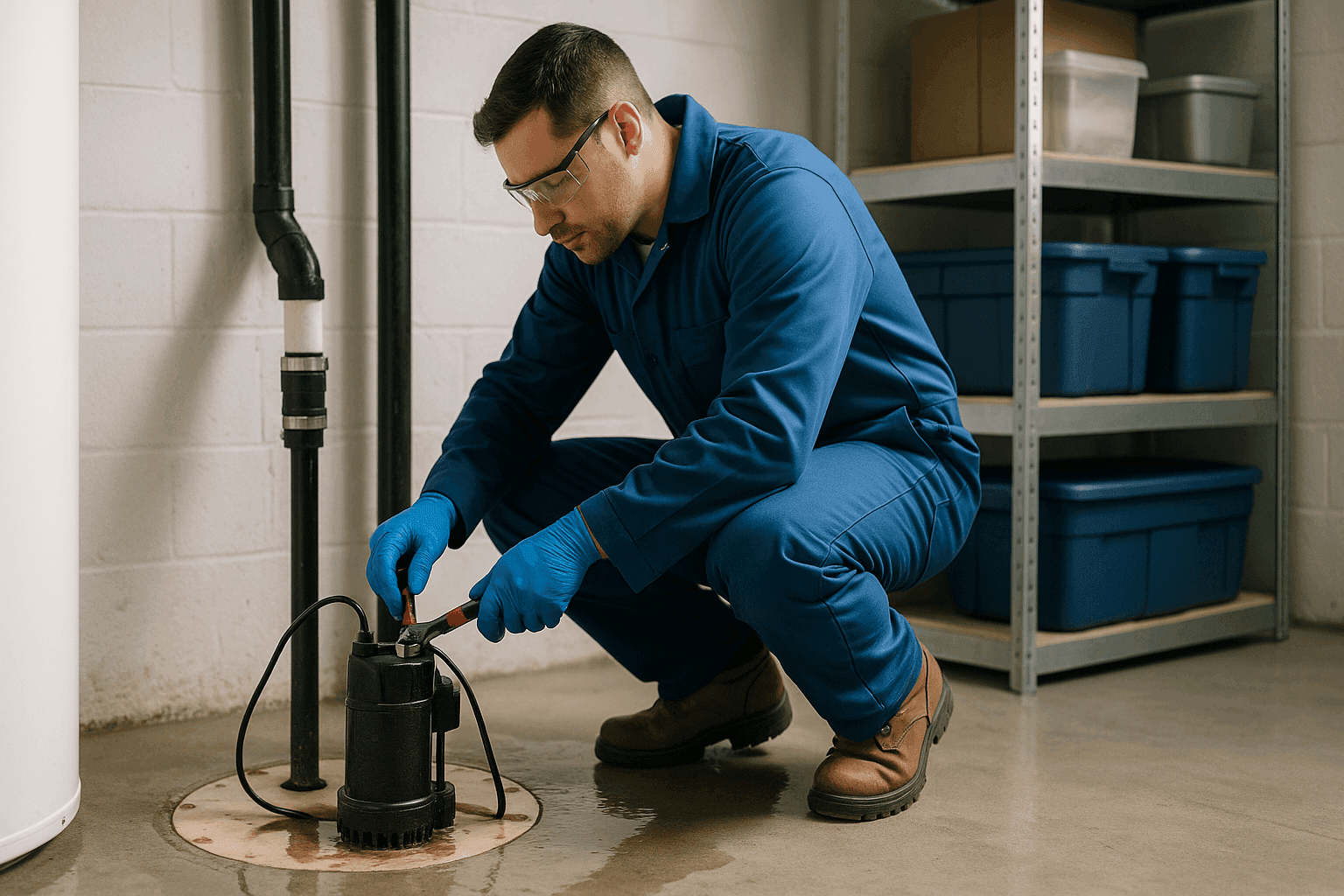
If you’re reading this, chances are water is somewhere it shouldn’t be. Maybe you heard that telltale gurgle—or worse, felt cold water under your feet. Basement flooding doesn’t just ruin your day. It can devastate your home, your peace of mind, and your wallet.
At Miller Legacy Plumbing, we know emergency plumbing isn’t something you plan for. Our crew has seen it all, from stubborn float switches to storm-driven power outages. Let’s walk you through sump pump repair—the signs, the steps, and what to do when seconds matter most.
How Sump Pumps Work 🛠️
Think of a sump pump as your home’s silent lifeguard. Its job? Stand watch in your basement’s lowest point—usually a pit called a “sump basin.” When heavy rain pushes water toward your foundation, the basin fills. The pump senses that rising tide and kicks on, channeling water away from your house and out to a safe distance.
There are two main types you’ll find in basements:
- Submersible pumps: Sit fully underwater in the pit. Powerful, quiet, and built for bigger jobs.
- Pedestal pumps: Stand above the water with a long neck. Easier to service, but a bit noisier.
Inside, the pump relies on a float switch. When water lifts the float, it’s like flipping a light switch—the pump wakes up and gets moving. Most sump pumps plug into a ground-fault circuit interrupter (GFCI) outlet for safety.
But just like a lifeguard can have a bad day, sump pumps can fail. And when they do, water shows no mercy.
Signs of Sump Pump Trouble
Catch problems early, and you might just save your basement. Watch for these red flags:
- Strange noises: Grinding, rattling, or screaming sounds can mean a jammed impeller or dying motor.
- Frequent cycling: If the pump turns on and off constantly—even when dry—your float switch could be stuck or misaligned.
- Water in the pit (but no action): If the water keeps rising and your pump is silent, it’s time for a closer look.
- Visible rust or corrosion: Especially around the battery backup, if installed.
- Musty odors: Mold or mildew in a damp basement often signals hidden water leaks.
- Tripped breakers or no power: GFCI outlets can trip during storms, cutting off your pump.
- Vibrations or shaking: Sometimes debris inside the pump can throw it off balance.
- Flooded floor: The ultimate warning sign—by then, the damage is underway.
DIY Troubleshooting Steps
Before panic sets in, try these practical steps. Always put safety first—water and electricity are a risky mix.
1. Check the Power
- Make sure the pump is plugged in.
- Test the outlet with another device (like a lamp).
- Reset any tripped GFCI outlets.
- Inspect the breaker panel for tripped circuits.
2. Inspect the Float Switch
- Carefully remove any visible debris from the basin.
- Gently lift the float. If the pump turns on, the switch works.
- If the float sticks or doesn’t rise, it may need adjustment or replacement.
3. Look for Blocked Discharge Lines
- Outside, find where your sump pump discharges water.
- Clear leaves, mud, or ice from the pipe.
- In winter, check for frozen sections.
4. Listen and Watch
- Run a bucket of water into the pit. Does the pump kick on?
- No movement? Check for obvious blockages or loose parts.
- Unusual noise or vibration? That could mean internal damage or a clog.
5. Smell for Trouble
- Persistent musty or electrical burning smells warrant immediate attention.
- These can signal overheating or an electrical short.
If you’re unsure or it feels unsafe, stop and call for emergency plumbing help right away.
When to Call for Repair or Replacement 🚨
Some problems just aren’t DIY-friendly. If you notice any of these, it’s time to bring in licensed plumbers:
- Flooding is active or rising fast.
- Pump is completely unresponsive, even with power.
- You hear electrical buzzing, see sparks, or smell burning.
- The float switch is broken or missing.
- Repeated power failures, especially during storms.
- Major rust, cracked housing, or visible leaks.
A pro will:
- Test electrical safety and grounding.
- Inspect the pump, basin, float, and discharge lines.
- Check backup systems (battery or water-powered).
- Assess for code compliance and safety (per local code, e.g., National Electrical Code (NEC) guidelines).
- Recommend repair or replacement, factoring in pump age and basement conditions.
Remember: During storms, plumbers get slammed with calls. Don’t wait until you’re knee-deep in water.
Quick Safety Checklist
- Never reach into water if you suspect electrical hazards.
- Wear rubber boots and gloves when working around the pit.
- Keep children and pets safely away from the area.
- Know where your home’s main water shut-off and electrical breaker are located.
- Use a battery-powered flashlight (never plug in tools near standing water).
Prevention and Maintenance Tips
A little care goes a long way. Here’s how to keep your sump pump ready for the next downpour:
- Test monthly: Pour water into the pit and make sure the pump cycles on and off.
- Clean the pit: Clear out dirt, gravel, and anything that could jam the float.
- Inspect the discharge line: Make sure it’s free of obstructions and aimed away from your foundation.
- Install a backup: Consider a battery-powered or water-powered backup pump, especially if you live in a storm-prone area.
- Schedule annual inspections: A licensed plumber can spot worn parts before they fail. Ask for a Sewer Line Inspection near you for extra peace of mind.
- Check local codes: Some municipalities require specific sump pump setups or backflow prevention.
- Replace aging pumps: Most last 7–10 years. Don’t wait for a failure.
Costs and Time Factors
Sump pump repair and replacement costs depend on:
- Type and age of pump.
- Severity of the issue (simple float switch vs. full pump replacement).
- Whether basement water damage has already begun.
- Need for electrical or plumbing upgrades.
Most minor repairs can be completed in under two hours. Full replacement or additional fixes (like backflow prevention) might take half a day or more. During storms, wait times can increase as emergency plumbing calls spike.
When It’s an Emergency
Not every sump pump hiccup is urgent. But these situations demand immediate action:
- Water is rising and threatens your furnace, water heater, or electrical panel.
- You have a finished basement with furniture, electronics, or irreplaceable items at risk.
- Sewage backup is present—this is a serious health hazard.
- You’re unable to stop the flow or find the source.
Quick response is key. While you wait for help:
- Move valuables and electronics to higher ground.
- Shut off power to the basement if safe to do so.
- Use towels or a wet-dry vacuum to slow water spread.
FAQ
How often should a sump pump be serviced?
At least once a year. Spring is ideal, before the rainy season begins.
Can I install a battery backup myself?
It’s possible, but electrical work and plumbing codes can be tricky. Licensed plumbers ensure safety and compliance.
What causes sump pumps to fail during storms?
Power outages, overwhelmed systems, and blocked outlets are common culprits.
Is sump pump maintenance covered by homeowners insurance?
Usually, only sudden accidental damage is covered. Flooding from pump failure often requires additional flood insurance. Check your policy details.
Local & Seasonal Considerations 🌧️
Heavy rains, snowmelt, and spring thaws in many regions push sump pumps to their limit. If your area sees frequent storms or rapid temperature swings, schedule pre-season checks. For homes with older basements or poor grading, extra vigilance is key—water always finds the lowest point.
If your basement sits below street level, consider regular Sewer Line Inspection near you and backflow prevention. Local building codes may also require periodic backflow testing.
Don’t face basement flooding alone. Miller Legacy Plumbing is on call for emergency plumbing, sump pump repair, and water leak emergencies—any time, any weather.
Call Miller Legacy Plumbing now — or reach us anytime at 888-859-6692 .